S
P
Theatre Park Bridge
Taiyuan, China
Timeframe 2020
Client HK Xinhe Investment Group Ltd/ Qianyuan Kultur Kommunikation Ltd
Typology Entrance footbridge
Status BUILT
Budget ca. 2M EUR
maximum span 31 m, Length 200 m, Width 6.5 m
Material Steel
Architect + Engineer Sterling Presser
Local Architect SOL
Theatre Park Bridge
Taiyuan, China
How does the bridge’s design enhance the visitor’s approach to the theatre?
Project Overview
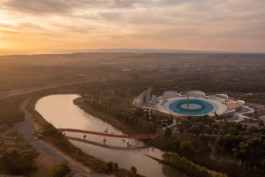
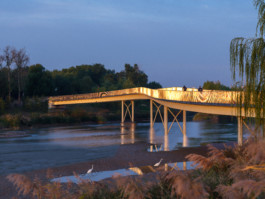
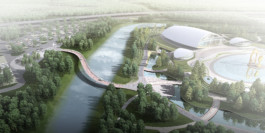
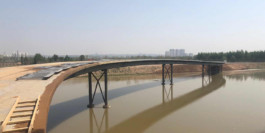
The Theatre Park Bridge is a unique 200m-long infrastructure project designed as the formal entrance to the Taiyuan Outdoor Theatre and as a strategic connection to the entire park above the river Xiaohe meander in Taiyuan, China. This bridge, developed for HK Xinhe Investment Group Ltd/ Qianyuan Kultur Kommunikation Ltd.creates a landmark architecture and provides high-quality access to the theatre, conceived as an invitation to the arts.


Design Concept
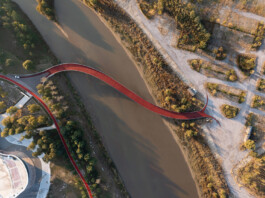
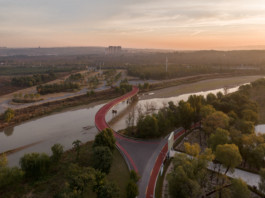
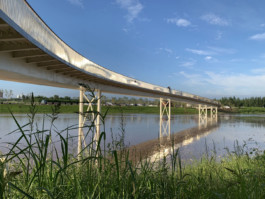
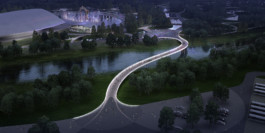
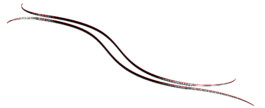
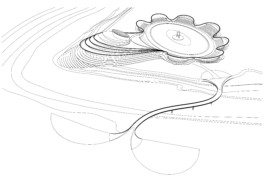
The core concept is to design a connection in harmony with the lotus pattern of the landscape and the outer theatre. The whole composition is a sequence, with an indirect path that ensures the journey is gradual and engaging rather than direct and abrupt. The curvature of the bridge reflects the lotus geometry at the arrival, developing from the same design principles as the adjacent theatre complex.


Structure and Engineering
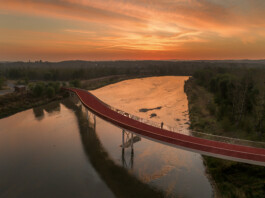
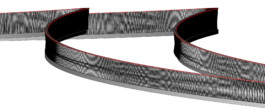
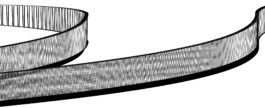
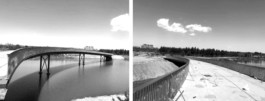
The bridge utilizes a sophisticated, double-curved structure built on principles of parametric design and high-quality fabrication.


Concept diagram


Ballustrade diagrams

Diagram
Sustainability (Regeneration/Resilience)
Sustainability is primarily addressed through the selection of steel, a durable and recyclable material, typical for long-span infrastructure. The design maintains an efficient material profile over its 200m length to meet the 2M EUR budget. Footbridges typically operate at a slower pace than road bridges, allowing the structure to function as a field for light interaction, enhancing the connection with natural light and shadow.

Urban Integration and Spatial Experience
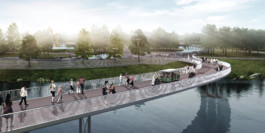
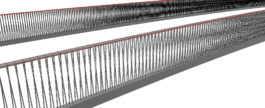
The bridge serves as a key element of the urban experience, transforming a simple crossing into a moment of cultural engagement. Its indirect path allows visitors to approach from the side, discovering the water gradually and building anticipation along the way. The balustrade provides a direct point of contact for users and becomes a dynamic playfield of light and shadow, offering a rich spatial experience perceived differently by pedestrians, cyclists, or light vehicles. Beyond functioning as a physical connection, the bridge acts as an artistic expression that enhances the cultural experience of arriving at the theatre, engaging with the surrounding landscape, and providing a high-quality public space.


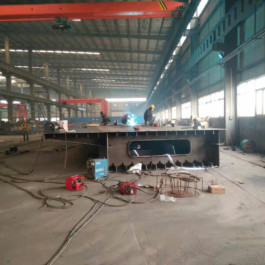
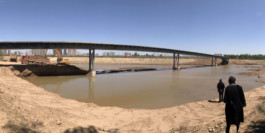
Construction site
Sterling Presser
Architects Engineers PartGmbB
BERLIN, Germany